If you’ve ever stood in a yarn aisle scrolling through labels, or stared at a screen full of virtual yarn listings, you know the feeling: excitement about your next project, then a small twinge of doubt. You want something that works for your knit, crochet, or weaving piece, but also something that aligns with your values. As a sustainable yarn supplier, I’ve helped hundreds of makers navigate this same confusion, and I’m here to break it down into actionable, no-fluff steps to help you pick the right yarn—for you, your project, and the planet. Sustainable Yarns

Let’s start with the basics: sustainable yarn isn’t just a buzzword. It means the fiber was grown or produced with less harm to the environment, fair treatment to the people who made it, and often uses fewer resources than conventional alternatives. But not all “sustainable” labels are created equal, so we need to dig deeper than pretty packaging or vague claims like “eco-friendly.”
First, match the fiber type to your project’s needs. This sounds simple, but it’s the foundation—if you pick a yarn that’s too scratchy for a baby blanket, no amount of “sustainable” will make your piece something you’ll actually love using. Let’s go through the most common sustainable fiber options and what they’re best for:
Organic cotton is a go-to for makers who want a soft, versatile yarn. Conventional cotton uses massive amounts of water—up to 2,700 liters for just one t-shirt, according to the Textile Exchange. Organic cotton cuts that use by 90% and bans harmful synthetic pesticides that poison soil and waterways. For this, though, you need to know: GOTS (Global Organic Textile Standard) is the gold standard here, meaning the cotton is 100% organic, and the entire production process (from farm to spool) is tested for chemicals and fair labor. Organic cotton is perfect for t-shirts, dishcloths, children’s garments, and light summer scarves. It’s breathable, easy to work with, and gets softer with every wash—just keep in mind it can stretch a bit over time, so it’s not the best for tight, structured projects like tailored cardigans unless you mix it with a sturdier fiber.
Linen is another plant-based star, made from flax. It’s one of the most water-efficient natural fibers—flax requires almost no irrigation, even in dry climates, and it grows without heavy fertilizers. Linen yarn is lightweight, has a natural texture, and gets softer with wear, making it ideal for summer clothing, table runners, and tote bags. A quick tip: linen has a tendency to wrinkle, so if you’re making something that needs to stay crisp, look for “wet-laid” linen, which is woven to be slightly smoother and less prone to wrinkling.
Regenerated cellulose fibers, like Tencel (Lyocell) and Modal, are game-changers for makers who love the drape and softness of silk but don’t want the high cost or ethical concerns of silk farming. Tencel is made from eucalyptus trees grown in sustainable forests, using a closed-loop production system where 99% of the solvents are reused. Modal comes from beech trees, with a similar closed-loop process. These fibers are silky, have great stretch, and are hypoallergenic—perfect for scarves, loungewear, delicate shawls, and even summer sweaters. The key here is to confirm the yarn uses “closed-loop” production, not just generic “cellulose,” because some cheaper versions skip the solvent reuse and pollute water.
Animal-based sustainable yarns are often misunderstood, but they can be a great choice when sourced responsibly. Merino wool from free-range sheep, for example, is biodegradable, and if it’s mulesing-free (a painful procedure to prevent flystrike) and certified by groups like the Responsible Wool Standard (RWS), it’s a far better option than conventional wool. RWS ensures sheep are raised in spaces that protect grasslands, and that farmers are paid fairly. Merino is soft, warm, and regulates temperature, making it perfect for base layers, sweaters, and hats. Alpaca wool, when sourced from small-scale Andean herders, is another great option—it’s lightweight, durable, and has a lower carbon footprint than sheep’s wool. Avoid yarns labeled “conventional wool” or any that mention mulesing, though—those come with unnecessary animal harm.
Then there’s recycled fiber, which turns post-consumer waste into usable yarn. Recycled polyester (from plastic bottles), recycled cotton, and even recycled cashmere are popular choices. For example, a single 50g skein of recycled cotton uses about 5 plastic bottles—less than half the water of making new cotton. But here’s the catch: not all recycled yarns are equal. Recycled cotton is often made from post-industrial scraps (like factory leftover fabric) rather than old t-shirts, and that’s a good thing—post-consumer recycled cotton can be harder to process and may be less consistent in quality. Recycled wool, too, should be checked: make sure it’s not blended with synthetic fibers if you want a 100% natural recycled piece. Recycled yarn is great for amigurumi, tote bags, accessories, and even durable blankets, as it’s often sturdier than new plant-based yarns.
Once you’ve narrowed down fiber type, look beyond the fiber itself to assess the true sustainability of the yarn. Labels and certifications are your best friends here—they cut through greenwashing by setting concrete standards. Let’s break down the most credible ones:
GOTS (Global Organic Textile Standard): As I mentioned earlier, this is for organic fibers. It applies to the entire supply chain, so you know the cotton or linen wasn’t treated with harmful chemicals, workers are paid a living wage, and factories follow environmental regulations. Look for the GOTS logo on the skein—if it’s not there, it might not meet the standard.
RWS (Responsible Wool Standard): For animal fibers, this ensures sheep are raised in ways that protect their welfare and the land they graze on. It also requires fair labor practices for herders and shearers. Avoid wool without this label, especially if it’s from large industrial farms.
OCS (Organic Content Standard): Similar to GOTS but only applies to the fiber itself, not the entire production process. It’s a good check if you want organic content, but pair it with other labels if you care about factory labor or chemical use.
Fair Trade Certified: This isn’t just for yarn—any Fair Trade label means the people who made the product got a fair wage, worked in safe conditions, and have access to community projects like schools or healthcare. Even if a fiber is sustainable, if the workers who spun it were underpaid, the yarn isn’t truly ethical.
Bluesign: This certification ensures that all chemicals used in production are safe for workers and the environment, and that the yarn has a low environmental impact. It’s common in regenerated cellulose and synthetic recycled yarns, so keep an eye out for it when choosing Tencel or recycled polyester.
Greenwashing is rampant in the yarn world, so a quick red flag: if a label says “natural” but no other certification, or “eco-friendly” without specifics about the fiber or production, take it with a grain of salt. Any credible yarn supplier will be transparent about where their fiber comes from, how it’s made, and which certifications it has. If we don’t list that information on our product pages, that’s a sign to ask—we’re always happy to share that detail with our customers.
Next, consider your project’s gauge and weight. Gauge is the number of stitches and rows per inch or centimeter in your swatch, and it’s the difference between a sweater that fits perfectly and one that’s too big or too small. Sustainable yarns come in all weights, from laceweight (thin, for shawls) to super bulky (thick, for blankets). If your pattern calls for a specific weight, stick to that as closely as possible—using a different weight will change the size and drape of your piece. For example, a laceweight Tencel yarn will make a delicate, airy shawl, while the same fiber in bulky weight will make a cozy, structured blanket. If you want to adjust the gauge, you’ll need to switch needle sizes, but it’s easier to pick a yarn that matches the pattern’s recommended weight to avoid guesswork.
Durability is another key factor. If you’re making a dishcloth that will be scrubbed daily, you need a durable yarn that can handle frequent washing—organic cotton or recycled cotton are perfect for this. If you’re making a wedding shawl that will be worn once a year and cherished for decades, you’ll want a soft, long-lasting fiber like Tencel or responsibly sourced merino wool, which holds up to gentle washing and doesn’t pill easily. If you’re making a toy for a toddler, avoid loose fibers that could come off and be a choking hazard—sturdy recycled polyester or tightly spun cotton is a safer bet.
Budget plays a role too, and sustainable yarns have a wider price range than conventional ones. Organic cotton is often affordable, while responsibly sourced wool or rare recycled fibers can be more expensive. The good news is that you don’t have to break the bank for quality sustainable yarn. For beginner projects like scarves or amigurumi, affordable organic cotton or recycled cotton skeins work perfectly. For more complex projects like sweaters, investing in a higher-quality merino or Tencel will give you a piece that lasts longer and feels better. We always recommend prioritizing quality over quantity—one good skein of sustainable yarn is often better than two cheap conventional ones that will pill or fall apart after a few uses.
Another thing to consider: the color of the yarn. Conventional yarns often use harsh synthetic dyes that are toxic to water systems and workers. Sustainable yarns use either natural dyes (from plants, minerals, or insects) or low-impact synthetic dyes that are free of harmful chemicals. Natural dyes give a muted, unique color that’s perfect for earthy, bohemian pieces, while low-impact synthetic dyes offer a wider range of bright, consistent colors. If you’re making something for a baby, avoid yarn with strong synthetic dyes—look for low-impact or undyed yarn, which is gentler on sensitive skin. Undyed yarn is also great if you want to dye it yourself, using natural materials like avocado skins or onion peels.
Let’s put this all together with an example. Suppose you’re making a baby cardigan, and you want it to be soft, safe, and sustainable. First, you’d pick a fiber that’s hypoallergenic and gentle on skin—GOTS-certified organic cotton is a great choice, or RWS-certified merino wool if you want a bit more warmth. Then, check the label: make sure it’s GOTS-certified, so you know the cotton was grown without pesticides, and it has a Fair Trade label to ensure the workers who spun it were paid fairly. Next, match the weight to your pattern—if the pattern calls for DK weight, pick a DK weight organic cotton skein. Finally, choose a low-impact dye or undyed, depending on the style you want. That cardigan will be soft for the baby, kind to the planet, and a piece you can feel good about giving.
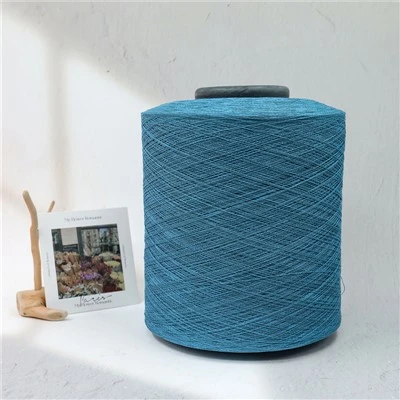
As a sustainable yarn supplier, I’ve seen how much difference the right yarn makes—for a maker’s project, and for the people and planet that make the yarn possible. We work directly with small-scale farmers and mills to source our fibers, so every skein you buy tells a story: of a farmer in Turkey growing organic cotton, a mill in Austria reusing 99% of solvents for Tencel, or a group of Andean herders raising alpaca with respect. If you’re still not sure which yarn is right for your project, we’re here to help. Reach out to our team to discuss your project, budget, and values, and we’ll help you find the perfect sustainable yarn—no matter if you’re a beginner making your first scarf or a seasoned knitter tackling a custom sweater.
Blended Yarn References
Textile Exchange. 2023. Organic Cotton Report.
Global Organic Textile Standard (GOTS). 2024. Certification Criteria.
Responsible Wool Standard (RWS). 2023. Standard Requirements.
Bluesign Technologies. 2024. Closed-Loop Production Guidelines.
Dongguan Jintai Textile Technology Co., Ltd.
As one of the most professional sustainable yarns manufacturers and suppliers in China, we offer a wide range of products with superior quality. With abundant experience, we warmly welcome you to wholesale high quality sustainable yarns in stock here and get free sample from our factory. We also accept customized orders.
Address: No. 22 Fukang Road, Dalang, Dalang Town, Dongguan City, Guangdong Province
E-mail: 13553898187@163.com
WebSite: https://www.jintaitextile.com/
