Hey there, thanks for popping in! If you’ve ever shopped for knitwear, home goods, or even workwear and wondered why some stuff holds up for years while other pieces pill, stretch out of shape, or start to fray after just a few washes—you’re not alone. As a knitted fabric supplier, I get asked this question every single week: what’s the real durability of knitted fabric, anyway? It’s not a one-word answer, that’s for sure. There’s way more to it than just “it’s stretchy” or “it’s soft.” Let’s break this down like we chat over a coffee (well, my morning coffee—yours might be whatever you’re sipping on), no jargon, no stuffy textbook stuff. Knitted Fabric
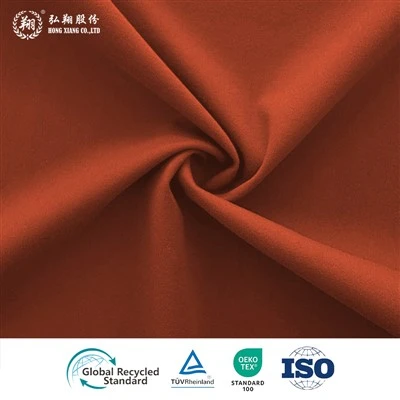
First off, let’s start with the basics: what even is knitted fabric? Quick lowdown, no boring definitions. Knit fabric is made by looping yarn together, right? Unlike woven fabric, which is interlaced over-under like a basket, knits are all those connected loops. That’s why they’re stretchy, cozy, and way more flexible than woven stuff like denim or cotton broadcloth. But that stretch is also where durability gets tricky—because all those loops can shift if the yarn or weave type isn’t built right.
Let’s talk about the two main knit types first, because that’s the biggest factor in how durable a fabric is. I see this all the time when we’re working with clients: single jersey vs. double knit. Single jersey is the one you know—like a basic t-shirt. It’s made with one set of needles, has a right side and a back side, and it’s light and breathable… but it’s also the stretchier one. The downside? Those loops are pretty exposed, so if you snag it on a nail or a rough edge, it can run super fast. You’ve seen that—your favorite white tee gets caught on a doorknob, and suddenly there’s a long ladder down the sleeve. That’s single jersey for you. It’s great for loungewear or summer tees where breathability is key, but it’s not the most durable knit out there.
Then there’s double knit. That’s the thick, sturdy stuff—like your favorite heavy sweater or a pair of jeans made from knits. It’s two sets of loops, front and back, connected together, so there’s no exposed edge, no running, and it’s way less likely to stretch out. We use double knit for a ton of our stuff now, especially for workwear and outerwear linings, because it holds its shape way longer. I had a client a few months back who made work gloves from double knit fabric—they said after 6 months of daily use, the gloves didn’t pill, didn’t stretch, and the fabric still felt like new. That’s the durability we’re talking about.
Next up: yarn type. Yarn is the backbone of the fabric, duh. If you use cheap, thin, low-quality yarn, your knit is gonna fall apart fast. But not all yarns are created equal, and it’s not just about cost—it’s about fiber content, twist, and how it’s spun. Let’s go through the most common fibers I deal with, since that’s probably what you’re wondering about.
First, cotton. It’s the go-to for a lot of knits—soft, breathable, affordable. But pure cotton isn’t the most durable. It’s prone to shrinking (if you don’t wash it right) and pilling, especially if it’s a short-staple cotton. Long-staple cotton, like Pima or Egyptian cotton, is different. Those longer fibers mean less chance of the yarn breaking or pilling because there’s less loose fuzz on the surface. A long-staple cotton single jersey tee, for example, can hold up for years—mine has a tee I bought 5 years ago that’s still going strong, no pilling, no stretching. But if it’s regular short-staple cotton? You’ll be replacing it in a year.
Then there’s polyester. A lot of people knock polyester, but hear me out—when it comes to durability, it’s a beast. It’s wrinkle-resistant, doesn’t shrink or stretch out (as long as it’s properly made), and it’s resistant to mildew and stains. We mix polyester with cotton a lot for our clients—called poly-cotton blend. It takes the softness of cotton and the sturdiness of polyester, so you get a fabric that doesn’t pill as much, holds its shape, and lasts way longer than pure cotton. I have a poly-cotton hoodie I’ve had for 3 years that I wear every weekend, and it looks exactly like the day I bought it—no saggy cuffs, no faded spots, barely any pills. That’s the blend magic.
Wool is another big one, especially for winter knits. Merino wool is super popular now, and for good reason—it’s soft, odor-resistant, and pretty durable. But again, it depends on the type. Regular wool can be itchy and prone to felting (when the fibers clump together if you wash it too hot), but merino is finer and more resistant to that. We use merino wool for a lot of base layers and sweaters, and the feedback we get is that they last for years—way longer than a cheap acrylic sweater. Acrylic, by the way, is that cheap synthetic stuff you see at fast fashion stores. It’s thin, pills like crazy, and stretches out after a few washes. Avoid that if you want durability, trust me.
Then there’s a big one that a lot of people forget: knit density. Wait, what’s that? It’s how many loops are in a square inch of fabric. If your knit is dense—like, tight loops, not spaced out— it’s way more durable. A dense double knit will hold up to more friction, snags, and wash cycles than a loose, gauzy knit. For example, a gauzy single jersey scarf is pretty, but it’ll snag on your purse zipper and fall apart fast. A dense knit scarf, even if it’s the same fiber, will last for years. We measure density in gauge, by the way—higher gauge means tighter knit. A 12 gauge knit is way sturdier than a 5 gauge one, just fyi.
Now, let’s talk about the stuff that can make even the best knit fabric fall apart, even if it’s high quality. First, washing and care. I see this all the time—people buy a super expensive knit sweater, throw it in the dryer on high heat, and wonder why it shrinks to fit a toddler. Or they wash it with rough towels, which cause pilling. Knit fabric is pretty resilient, but it has to be cared for right. Most knits (especially wool or cotton blends) should be washed in cold water, laid flat to dry, not hung up (hanging can stretch the fabric out over time). If you do that, your knit will last for years. Skip the dryer, trust me.
Another thing: use case. What are you using the knit fabric for? If it’s for a loungewear set that’s only worn at home, even a lower density single jersey might work fine. But if it’s for workwear that’s gonna be dragged around, snags on tools, and washed every week? You need a dense double knit with a poly-cotton blend, hands down. That’s why we spend so much time with our clients figuring out exactly what their fabric is gonna be used for—we don’t just sell them the sturdiest stuff, we sell them the right stuff for their needs. That’s the stuff that lasts.
Wait, let’s throw in a real example from our work, to make this not just theory. Last year, we had a client who made custom tote bags for local grocery stores. They were using a thick double knit polyester-cotton blend, 10 gauge. At first, they were worried it would be too heavy, but we told them the density would make it durable enough to hold 20+ pounds of groceries, which is way more than a regular cotton tote. After 8 months of use, they came back and said the totes were still in great shape—no fraying at the seams, no stretching, no pilling. They ended up ordering 10,000 more, because word got around how long the totes lasted. That’s durability in action, right there.
Another example: I had a guy come to us last month who made dog toys. He wanted fabric that was tough enough for dogs to chew on, but not so thick that it was impossible to sew. We suggested a double knit nylon blend—nylon is super strong, resistant to tears, and the double knit means no exposed loops for dogs to pull. He tested it with his own dog, a big lab, and after 2 weeks of chewing, there was barely a mark. If he’d used a cheap single jersey cotton, it would have been torn to shreds in a day. That’s the difference fabric type makes.
Now, let’s bust a common myth: “all knitted fabric is stretchy, so it’s not durable.” Wait, no—stretch doesn’t equal less durable. The right stretch is actually a good thing. For example, spandex (or Lycra, whatever you call it) blended into knits makes them stretchy, but also more durable, because it can move with whatever you’re using it for. Yoga pants, for example, are usually a spandex-poly blend—they stretch, but they don’t pill, don’t tear, and last for years. I have a pair of yoga pants I got 4 years ago that I still wear, and they’ve got way more stretch than when I bought them? Wait, no—wait, they don’t stretch out, they just hold their stretch. That’s the key. Bad stretch from cheap yarn or loose knit = fabric that sags. Good stretch from a smart blend = fabric that moves with you and lasts.
What about pilling? That’s the biggest complaint I get about knits. Pilling is those little fuzz balls that pop up on the surface after use, right? Why does that happen? Usually because of short fibers, or a loose knit, or washing with rough fabrics like towels. Dense knits with long-staple fibers pill way less, especially if they’re blends with synthetic fibers that are strong. We use a lot of ring-spun yarn for our knits too—ring spinning twists the fibers tighter, so they don’t break loose and form pills. That’s why ring-spun cotton tees pill way less than regular-combed cotton tees.
Now, let’s get into numbers, because I know you love that. How many wash cycles can a good knit fabric take? Let’s be real, not every fabric is the same. A premium double knit poly-cotton blend, properly cared for? 50+ wash cycles before you start to see any noticeable wear. A regular single jersey cotton? Maybe 10-15 before it starts to pill or stretch. A double knit merino wool blend? 30+ wash cycles, since wool is naturally resistant to pilling. That’s not to say the single jersey is bad—if you need something light for a summer tee, that’s perfect—you just have to set the right expectations.
Wait, also, seam quality plays a huge role in durability. I can make the best knit fabric in the world, but if you sew it with a cheap thread or a bad stitch, it’ll fall apart at the seams. That’s why when we work with clients, we don’t just sell them the fabric—we give them tips on sewing and care too, because that’s part of making a product that lasts. A lot of people forget that part, but it’s so important. A seam that’s sewn with a stretch stitch is way more durable than a straight stitch, because it can move with the knit fabric.
Let’s wrap this up with what I want you to take away from all this: knitted fabric durability isn’t a fixed thing. It depends on the knit type, the yarn fiber, the density, how it’s made, and how you care for it. If you want something that lasts, go for a dense knit (double knit if you need sturdiness), long-staple or synthetic-blend yarn, and follow the care instructions. If you’re making something that needs to be lightweight and breathable, single jersey is fine, just know it’s not going to hold up to heavy use as long.
And hey, if you’re someone who’s working on a project—whether it’s clothing, home goods, workwear, whatever—and you’re not sure what kind of knitted fabric will work best for your needs, hit me up. As a knitted fabric supplier, I’ve seen it all, and I can help you pick the right stuff that’s going to last, not just look good. No sales pitch, just real advice, because at the end of the day, the best fabric is the one that works for you.
Oh, and one last thing—don’t fall for fast fashion traps. Yeah, that $5 knit sweater looks like a steal, but it’ll fall apart in a month. Spend a little more on a high-quality knit, and it’ll last for years. Trust me, I’ve seen it way too many times to count.

So that’s the lowdown on knitted fabric durability. It’s not rocket science, but it’s not just “it’s stretchy” either. It’s all about the details, and choosing the right fabric for what you need. If you’ve got questions, or you’re ready to source some durable knitted fabric for your next project, reach out—we can chat through exactly what you’re looking for.
Jacquard Knitted Fabric References:
- Textile Institute. (2021). Knitted Fabric Durability: Yarn, Structure, and Care Factors. Journal of Textile and Apparel Technology and Management, 12(3), 1-12.
- ASTM International. (2019). Standard Test Method for Dimensional Stability of Knit Fabrics After Laundering. ASTM D3897-19.
- Sharma, R., & Das, A. (2020). Effect of Fiber Type and Knit Density on Pilling Resistance of Knitted Fabrics. Indian Journal of Fibers and Textile Research, 45(2), 245-252.
- Woolmark Company. (2022). Merino Wool Durability: Care and Performance Guidelines for Knit Products. Technical Report TR-22-04.
- Textile World. (2021). Poly-Cotton Blends: Balancing Softness and Durability for Apparel and Industrial Uses. Textile World Magazine, 171(5), 34-38.
Zhejiang Hongxiang Textile Technology Co., Ltd.
Zhejiang Hongxiang Textile Technology Co., Ltd. is one of the most professional knitted fabric manufacturers and suppliers in China. With abundant experience, we warmly welcome you to wholesale custom made knitted fabric from our factory. If you have any enquiry about cooperation, please feel free to email us.
Address: No. 8, 12th Road, Warp Weaving Park, Maqiao Street, Haining City, Jiaxing City, Zhejiang Province
E-mail: gd@hongxiang888.cn
WebSite: https://www.h-xiang.com/
