When it comes to brewing the perfect cup of coffee, every detail matters, and one often overlooked element is the coffee paper filter. As a coffee paper filter supplier, I’ve seen firsthand how the right filter can elevate the brewing experience, enhancing flavor, aroma, and overall quality. In this blog, I’ll share insights on how to choose a coffee paper filter based on your brewing method, ensuring that you get the most out of your coffee. Coffee Paper Filter
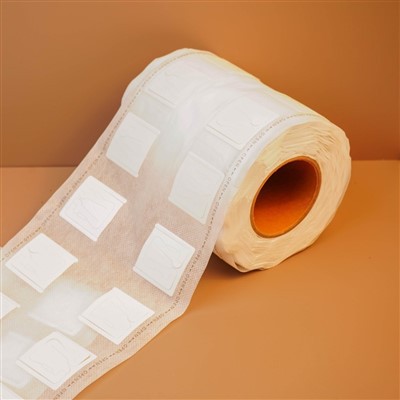
Understanding the Basics of Coffee Paper Filters
Before delving into the selection process, it’s essential to understand the basics of coffee paper filters. These filters are typically made from paper, which can vary in thickness, porosity, and composition. The primary function of a coffee paper filter is to separate the coffee grounds from the brewed coffee, preventing them from ending up in your cup. Additionally, the filter can also affect the flavor and character of the coffee by removing oils, fines, and other impurities.
There are two main types of coffee paper filters: bleached and unbleached. Bleached filters are treated with chemicals to make them white and more aesthetically pleasing. While they are generally safe to use, some people prefer unbleached filters, which are made from natural, untreated paper and are considered more environmentally friendly.
Choosing the Right Filter for Your Brewing Method
The choice of coffee paper filter depends largely on your brewing method. Different brewing methods require different filter sizes, shapes, and porosities to achieve the best results. Here’s a breakdown of some popular brewing methods and the recommended filters for each:
Drip Brewing
Drip brewing is one of the most common methods of making coffee at home. It involves pouring hot water over coffee grounds in a filter, allowing the water to drip through the grounds and into a carafe below. For drip brewing, cone-shaped filters are the most popular choice. They come in various sizes, including #1, #2, and #4, which correspond to different coffee maker capacities.
When choosing a filter for drip brewing, consider the porosity of the paper. A filter with a higher porosity will allow more water to pass through the grounds quickly, resulting in a faster brew time. However, it may also allow more fines and oils to pass through, which can affect the clarity and flavor of the coffee. On the other hand, a filter with a lower porosity will result in a slower brew time but may produce a cleaner, more refined cup of coffee.
Pour-Over Brewing
Pour-over brewing is a manual method of making coffee that involves pouring hot water over coffee grounds in a filter placed on top of a carafe or mug. This method gives you more control over the brewing process, allowing you to adjust the water flow, temperature, and extraction time to achieve the desired flavor profile.
For pour-over brewing, cone-shaped filters are also the most commonly used. However, the size and shape of the filter can vary depending on the pour-over device you are using. For example, the Chemex pour-over system uses a unique, thick, and pleated filter that is specifically designed to remove oils and impurities, resulting in a clean, bright cup of coffee. Other pour-over devices, such as the Hario V60 or the Kalita Wave, require different types of cone-shaped filters.
French Press Brewing
French press brewing is a full-immersion method of making coffee that involves steeping coffee grounds in hot water for a few minutes and then pressing a plunger down to separate the grounds from the brewed coffee. Unlike drip and pour-over brewing, French press brewing does not require a paper filter. Instead, it uses a metal or mesh filter to separate the grounds from the coffee.
However, some people prefer to use a paper filter in their French press to remove any remaining fines and oils, resulting in a cleaner, smoother cup of coffee. If you choose to use a paper filter in your French press, look for a flat-bottomed filter that is large enough to cover the bottom of the press.
Espresso Brewing
Espresso brewing is a high-pressure method of making coffee that involves forcing hot water through finely ground coffee beans. Unlike other brewing methods, espresso brewing does not use a paper filter. Instead, it uses a portafilter, which is a metal basket that holds the coffee grounds and is attached to the espresso machine.
While paper filters are not typically used in espresso brewing, some people may choose to use a paper filter basket insert to improve the extraction and flavor of the espresso. These inserts are made from paper and are designed to fit inside the portafilter, providing an additional layer of filtration and helping to remove any fines and oils.
Other Factors to Consider
In addition to the brewing method, there are several other factors to consider when choosing a coffee paper filter. These include:
Quality
The quality of the coffee paper filter can have a significant impact on the flavor and quality of the brewed coffee. Look for filters that are made from high-quality paper, are free from impurities, and have a consistent porosity. A high-quality filter will ensure a clean, even extraction and prevent any unwanted flavors or aromas from seeping into the coffee.
Compatibility
Make sure the filter you choose is compatible with your coffee maker or brewing device. Different coffee makers and brewing devices require different filter sizes and shapes, so it’s essential to choose a filter that fits properly. Using an incompatible filter can result in a poor extraction, a messy brew, or even damage to your coffee maker.
Environmental Impact
If you’re concerned about the environment, consider choosing unbleached filters, which are made from natural, untreated paper and are more environmentally friendly. Additionally, some coffee paper filters are biodegradable or compostable, which means they can be disposed of in an eco-friendly manner.
Cost

The cost of coffee paper filters can vary depending on the brand, quality, and quantity. While it’s important to choose a high-quality filter, you don’t necessarily have to spend a lot of money. Look for filters that offer a good balance of quality and affordability, and consider buying in bulk to save money in the long run.
Conclusion
Tea Packing Machine Choosing the right coffee paper filter is an important step in brewing the perfect cup of coffee. By considering your brewing method, the quality of the filter, compatibility, environmental impact, and cost, you can select a filter that will enhance the flavor, aroma, and overall quality of your coffee. As a coffee paper filter supplier, I’m committed to providing high-quality filters that meet the needs of coffee lovers everywhere. If you have any questions or would like to learn more about our products, please don’t hesitate to contact us. We’d be happy to help you find the perfect filter for your brewing method.
References
- Illy, E., & Viani, R. (2005). Espresso Coffee: The Science of Quality. Academic Press.
- Thurston, R. L. (2012). The Coffee Roaster’s Companion: Roasting Art, Science, and Technique. Roast magazine.
- Weinberg, B. A., & Bealer, B. (2001). The World of Caffeine: The Science and Culture of the World’s Most Popular Drug. Routledge.
Hangzhou Wish Import & Export Trading Co., Ltd.
As one of the most professional coffee paper filter manufacturers and suppliers in China, we’re featured by quality products and good price. Please rest assured to wholesale bulk cheap coffee paper filter made in China here from our factory. Customized orders are welcome.
Address: Room 418, Yilong Business Building, Shangcheng District, Hangzhou City, Zhejiang Province
E-mail: chris@hzwishpack.com
WebSite: https://www.ecopacky.com/
