Hey there! I’m a supplier of DTRO (Disc Tube Reverse Osmosis) equipment, and today I’m gonna walk you through the installation process of this amazing tech. DTRO
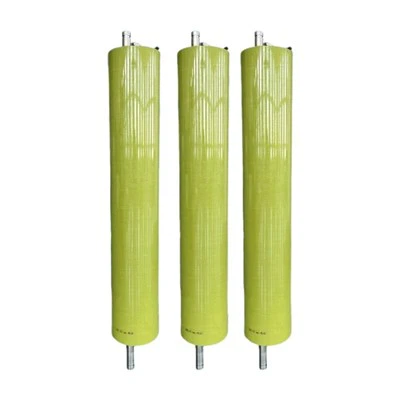
First off, let me give you a bit of background on DTRO. It’s a super – effective water treatment technology, widely used in various industries like landfill leachate treatment, industrial wastewater treatment, and even desalination. The unique design of DTRO membranes allows it to handle high – complexity and high – fouling water sources, which makes it a top choice for many challenging water treatment scenarios.
Step 1: Site Preparation
The very first thing you gotta do is prepare the installation site. This is crucial because a proper site can ensure the long – term stable operation of the DTRO equipment.
- Space Requirement: Check the dimensions of the DTRO equipment you’ve purchased. You need to have enough space for the equipment itself, as well as for maintenance. Generally, you should leave at least a one – meter clearance around the equipment to allow easy access for technicians. For example, if your DTRO unit is about 3 meters long and 2 meters wide, you’ll need a room that’s at least 5 meters long and 4 meters wide.
- Foundation: Make sure the foundation is flat and strong enough to support the weight of the equipment. The DTRO system can be quite heavy, especially when it’s full of water. A concrete foundation is usually the best choice. The thickness of the concrete slab should be determined according to the equipment’s weight, but typically, a 15 – 20 cm thick slab is sufficient.
- Utilities: You need to have access to water, electricity, and drainage at the site. The water inlet should be connected to a reliable water source, and the water pressure should meet the requirements of the DTRO system, usually around 2 – 6 bar. For electricity, you need to provide the right voltage and power according to the equipment specifications. And for drainage, ensure there’s a proper outlet to discharge the concentrate and other waste water.
Step 2: Equipment Unloading and Inspection
Once the site is ready, it’s time to bring in the DTRO equipment.
- Unloading: Be really careful when unloading the equipment. Use proper lifting tools like cranes or forklifts. Make sure the equipment is not tilted or shaken too much during the unloading process, as this could damage the internal components.
- Inspection: After unloading, do a thorough inspection of the equipment. Check for any visible damage during transportation, such as scratches on the membrane housing, loose pipes, or damaged electrical components. Also, verify that all the parts listed in the delivery list are present. If you find any issues, contact us immediately, and we’ll work together to solve them.
Step 3: Equipment Installation
This is the core part of the whole process.
- Positioning: Place the DTRO equipment on the prepared foundation according to the installation diagram. The equipment should be leveled using a spirit level. If it’s not level, it could cause uneven stress on the membranes and other components, which may lead to premature failure.
- Pipe Connection: Connect the water inlet, outlet, and concentrate pipes. Use the appropriate pipe materials and fittings as recommended by the manufacturer. For example, PVC or stainless – steel pipes are commonly used for water and concentrate lines. Make sure the connections are tight and leak – free. You can use pipe sealant or tape to ensure a good seal.
- Electrical Connection: Connect the electrical wires to the control panel of the DTRO system. Follow the electrical wiring diagram carefully. Make sure all the electrical connections are properly insulated to prevent short – circuits. You may need a professional electrician to handle this part to ensure safety.
Step 4: Membrane Installation
The membranes are the heart of the DTRO system, so their installation needs to be done with great care.
- Membrane Preparation: Before installation, soak the DTRO membranes in a cleaning solution for a certain period of time as instructed in the manual. This can remove any protective substances on the membrane surface and make them ready for use.
- Insertion: Insert the membranes into the membrane housing one by one. Be gentle to avoid scratching the membrane surface. Make sure the membranes are properly seated in the housing and the O – rings are in good condition to prevent leakage.
Step 5: System Testing
After the equipment is fully installed, it’s time for testing.
- Leak Test: Fill the system with water and check for any leaks at the pipe connections, membrane housings, and other joints. You can use a pressure gauge to monitor the water pressure. If you find any leaks, tighten the connections or replace the faulty seals immediately.
- Function Test: Start the DTRO system and test its various functions. Check if the water flow rate, pressure, and other parameters meet the design requirements. Monitor the quality of the produced water and the concentrate. If there are any abnormal situations, such as low water production or high concentrate salinity, troubleshoot the problem according to the operation manual or contact our technical support team.
Step 6: Operator Training
Once the system is up and running smoothly, it’s important to train the operators.
- Operation Training: Teach the operators how to start, stop, and adjust the DTRO system. Explain the normal operation parameters and how to monitor them. For example, they should know how to read the pressure gauges, flow meters, and conductivity meters.
- Maintenance Training: Provide training on equipment maintenance, including membrane cleaning, filter replacement, and lubrication of moving parts. Regular maintenance can extend the service life of the equipment and ensure its stable operation.
Step 7: Final Acceptance

After all the above steps are completed and the operators are well – trained, it’s time for the final acceptance.
- Performance Evaluation: Evaluate the performance of the DTRO system based on the pre – agreed technical specifications, such as water production capacity, water quality, and energy consumption. If the system meets all the requirements, it can be considered successfully installed.
- Documentation Handover: Hand over all the relevant documentation to the customer, including the operation manual, maintenance manual, equipment warranty card, and test reports.
Spiral Ultrafiltration Membrane Well, that’s the whole installation process of DTRO equipment. As a DTRO supplier, we’re always here to support you throughout the installation and after – sales service. If you’re interested in our DTRO equipment or have any questions about the installation process, don’t hesitate to contact us. We can have a detailed discussion and see how we can meet your specific needs.
References
- "DTRO Technology Handbook"
- Industry standards for water treatment equipment installation
Hangzhou Nanoimp Environmental Technology Co., Ltd.
With abundant experience, we are one of the most professional dtro manufacturers and suppliers in China. Welcome to wholesale high quality dtro in stock here and get pricelist from our factory. We also accept customized orders.
Address: Road 25, Baiyang Street, Qiantang District, Hangzhou City, Zhejiang Province
E-mail: keith.wang@nano-sepmer.com
WebSite: https://www.nanoimp-membrane.com/
