Hey there! I’m a supplier in the gasket business, and I’m super stoked to dive into the different types of gaskets with you. Gaskets are those small but mighty components that play a crucial role in all sorts of industries. They’re used to create a seal between two or more mating surfaces, preventing the leakage of fluids or gases. So, let’s get right into it and explore the various types of gaskets out there. Gaskets
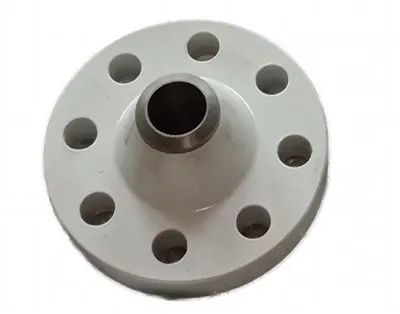
1. Rubber Gaskets
Rubber gaskets are probably the most common type you’ll come across. They’re made from different kinds of rubber compounds, each with its own set of properties.
Natural Rubber Gaskets
Natural rubber gaskets are soft and flexible. They have excellent elasticity and can conform well to irregular surfaces. This makes them great for applications where a tight seal is needed on somewhat rough or uneven mating parts. They’re often used in plumbing fixtures, like faucets and showerheads. The downside is that they’re not very resistant to oil, chemicals, or high temperatures. So, you wouldn’t want to use them in an engine or a chemical processing plant.
Neoprene Gaskets
Neoprene is a synthetic rubber that’s a lot more durable than natural rubber. It has good resistance to oil, ozone, and weathering. That’s why you’ll often find neoprene gaskets in outdoor equipment, like seals around windows and doors in buildings. It can also handle a wider range of temperatures compared to natural rubber, making it suitable for some industrial applications where there might be mild temperature fluctuations.
Silicone Gaskets
Silicone gaskets are known for their high – temperature resistance. They can withstand temperatures ranging from -60°C to 230°C, which is pretty impressive. This makes them ideal for use in automotive engines, where there are extreme heat conditions. They’re also very flexible and don’t harden over time, so they can maintain a good seal for a long time. Additionally, silicone is non – toxic, which makes it a popular choice for food and beverage processing equipment.
2. Compressed Non – Asbestos Gaskets (CNA)
These gaskets are made by compressing a mixture of fibers, fillers, and binders. In the past, asbestos was used in these types of gaskets because of its excellent heat and chemical resistance. However, due to the health risks associated with asbestos, it’s no longer used.
CNA gaskets are a great alternative. They have good resistance to heat, oil, water, and some chemicals. They’re commonly used in industrial pipelines, pumps, and valves. They can be cut into different shapes and sizes easily, which makes them very versatile. The quality of CNA gaskets can vary depending on the type of fibers and binders used. Some high – quality CNA gaskets can perform as well as traditional asbestos gaskets in many applications.
3. Metal Gaskets
Metal gaskets are used in applications where high pressure and high temperature are involved.
Ring – Type Joint (RTJ) Gaskets
RTJ gaskets are made from metals like stainless steel, carbon steel, or alloy steel. They’re designed to be used in high – pressure piping systems, such as those in the oil and gas industry. The gasket has a circular cross – section and fits into a special groove in the flange. When the flange bolts are tightened, the gasket deforms slightly to create a tight seal. This type of gasket can withstand very high pressures, often up to thousands of pounds per square inch.
Spiral – Wound Gaskets
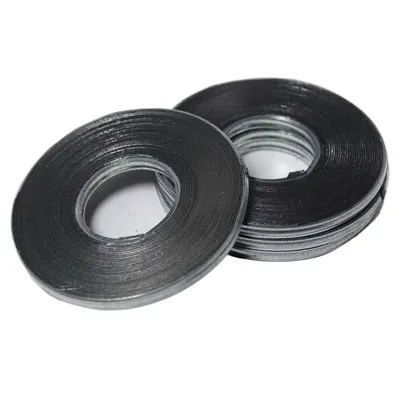
Spiral – wound gaskets consist of a metal strip and a filler material, usually graphite or PTFE, wound together in a spiral pattern. The metal provides the strength, while the filler material ensures a good seal. They’re widely used in pipe flanges, heat exchangers, and pressure vessels. Spiral – wound gaskets can handle high pressures and temperatures, and they can also compensate for flange misalignment to some extent.
4. PTFE Gaskets
PTFE, or polytetrafluoroethylene, is a synthetic fluoropolymer. PTFE gaskets are known for their excellent chemical resistance. They can withstand almost all chemicals, acids, and solvents, making them a popular choice in the chemical processing industry.
They’re also very non – stick, which means they’re easy to remove and install. PTFE gaskets have a low coefficient of friction, which is useful in applications where there’s a need for smooth movement. However, they’re relatively soft and can be easily damaged if not installed properly. They’re often used in applications where the mating surfaces are smooth and flat.
5. Paper Gaskets
Paper gaskets are one of the simplest and most affordable types of gaskets. They’re usually made from materials like cardboard or fiber paper.
They’re mainly used in low – pressure and low – temperature applications. For example, they’re commonly found in household appliances, like air conditioners and refrigerators, to seal small joints and prevent air or refrigerant leakage. Paper gaskets are easy to cut and shape, and they can provide a decent seal for a short period. But they’re not very durable and can deteriorate quickly if exposed to moisture or chemicals.
6. Cork Gaskets
Cork gaskets are made from the bark of the cork oak tree. They’re soft, compressible, and have good resistance to oils and vibrations.
They’re often used in automotive engines, especially for valve covers and oil pans. Cork can conform well to the mating surfaces and create a good seal. It also has some insulating properties, which can help in reducing noise and vibration transfer. However, cork gaskets need to be replaced regularly because they can dry out and lose their elasticity over time.
So, there you have it! A rundown of the different types of gaskets. Each type has its own unique advantages and disadvantages, and the right choice depends on the specific application, including factors like pressure, temperature, the type of fluid or gas being sealed, and the nature of the mating surfaces.
Ansi B16.48 Flange If you’re in the market for gaskets, whether it’s for a small DIY project or a large industrial application, don’t hesitate to reach out to me. I’ve got a wide range of gaskets in stock, and I can help you choose the right one for your needs. Let’s have a chat and figure out the best solution for you.
References
- "Handbook of Gasket Materials" by John W. Colyer
- "Sealing Technology for Fluid Systems" by David A. Dowson
- Various industry whitepapers on gasket manufacturing and applications
Shanxi Xinshunda Flange Manufacturing Co., Ltd.
As one of the most professional gaskets manufacturers and suppliers in China, we also support customized service with competitive price. We warmly welcome you to wholesale high quality gaskets for sale here from our factory. For quotation, contact us now.
Address: Zhunagli Industrial Zone,jinchang Town,dingxiang,shanxi,china
E-mail: sales01@xinflange.com
WebSite: https://www.xinflange.com/
