As a supplier of water-based digital inkjet printers, one question I’m frequently asked is whether our printers can print on plastic. It’s a valid query, considering the wide range of applications and materials in the printing industry. In this blog post, I’ll delve into this topic, exploring the possibilities, challenges, and the best practices for printing on plastic using our water-based digital inkjet printers. Water-based Digital Inkjet Printer

Understanding Water – based Digital Inkjet Printing
Before we discuss printing on plastic, let’s briefly understand what water-based digital inkjet printing is. Water-based inks are environmentally friendly, as they contain a high percentage of water and fewer volatile organic compounds (VOCs) compared to solvent – based inks. They are also non – toxic and produce less odor, making them a popular choice for many printing applications.
Digital inkjet printing is a non – contact printing method that sprays tiny droplets of ink onto a substrate. It offers high precision, variable data printing capabilities, and the ability to print on a variety of materials, from paper and fabric to rigid substrates.
Can It Print on Plastic?
The short answer is yes, our water – based digital inkjet printers can print on plastic, but there are several factors to consider.
Compatibility of Inks and Plastics
Not all plastics are created equal, and different types of plastics have different surface properties. For example, polyethylene (PE) and polypropylene (PP) are known for their low surface energy, which means that water – based inks may not adhere well to them. On the other hand, polycarbonate (PC), acrylonitrile butadiene styrene (ABS), and some types of polyester have higher surface energy, making them more receptive to water – based inks.
To ensure good adhesion, we often recommend pre – treating the plastic surface. Plasma treatment, corona treatment, or applying a primer can increase the surface energy of the plastic, allowing the water – based inks to bond more effectively.
Printing Quality
The printing quality on plastic depends on several factors, including the resolution of the printer, the type of ink, and the surface finish of the plastic. Our printers are capable of high – resolution printing, which can produce sharp images and detailed text on plastic. However, the smoothness of the plastic surface can also affect the final print. A rough or uneven surface may cause the ink to spread unevenly, resulting in a less – than – perfect print.
Durability of the Print
The durability of the print on plastic is another important consideration. Water – based inks are generally more prone to water and abrasion compared to solvent – based inks. However, with the right combination of inks and post – treatment processes, we can achieve a reasonable level of durability. For example, applying a clear protective coating can enhance the scratch resistance and water resistance of the print.
Advantages of Printing on Plastic with Water – based Digital Inkjet Printers
Despite the challenges, there are several advantages to using water – based digital inkjet printers to print on plastic.
Environmental Friendliness
As mentioned earlier, water – based inks are more environmentally friendly than solvent – based inks. This makes them a great choice for applications where environmental compliance is a priority, such as printing on food packaging or children’s toys.
Flexibility and Customization
Digital inkjet printing allows for quick and easy customization. Whether you need to print a small batch of promotional items or a large – scale production run with variable data, our printers can handle it. You can change the design, text, or even the color scheme without having to invest in expensive printing plates or dies.
High – Quality Printing
Our water – based digital inkjet printers can produce high – quality prints with vibrant colors and sharp details. This is especially important for applications where the aesthetics of the print are crucial, such as product labels or signage.
Best Practices for Printing on Plastic
If you’re considering using our water – based digital inkjet printers to print on plastic, here are some best practices to follow:
Surface Preparation
As mentioned earlier, pre – treating the plastic surface is essential for good adhesion. Make sure to choose the right pre – treatment method based on the type of plastic you’re using. Plasma treatment is suitable for a wide range of plastics, while corona treatment is commonly used for polypropylene and polyethylene.
Ink Selection
Choose the water – based inks that are specifically formulated for plastic substrates. These inks are designed to have better adhesion and durability on plastic surfaces. Our technical team can help you select the most suitable inks for your project.
Printer Settings
Optimize the printer settings for printing on plastic. This includes adjusting the print speed, resolution, and droplet size to achieve the best print quality. It may take some trial and error to find the optimal settings for your specific plastic substrate.
Post – Treatment
Apply a clear protective coating or laminate to the print to enhance its durability. This can protect the print from scratches, water, and UV light, extending its lifespan.
Case Studies
To illustrate the capabilities of our water – based digital inkjet printers for printing on plastic, let’s look at a couple of case studies.
Case Study 1: Printing on Plastic Product Labels
A customer in the cosmetics industry wanted to print high – quality labels for their new product line. They chose our water – based digital inkjet printer because of its environmental friendliness and the ability to produce vibrant colors. After pre – treating the plastic label stock with corona treatment, we were able to achieve excellent adhesion and print quality. The labels looked great and were also durable enough to withstand the handling and storage conditions.
Case Study 2: Printing on Plastic Signage
Another customer needed to print large – format signage using plastic sheets. Our water – based digital inkjet printer was used to print the graphics, and then a UV – resistant clear coating was applied to protect the print. The signage was installed outdoors, and after several months of exposure to the elements, the print still looked as good as new.
Conclusion
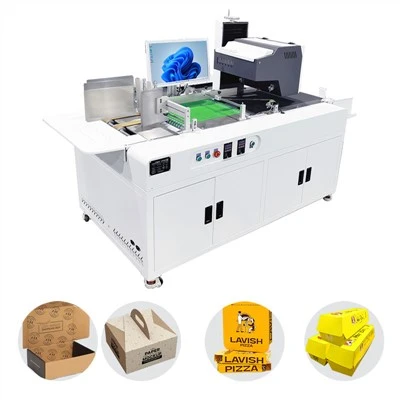
In conclusion, our water – based digital inkjet printers can indeed print on plastic, but it requires careful consideration of the plastic type, surface preparation, ink selection, and post – treatment processes. With the right approach, you can achieve high – quality, durable prints on plastic while enjoying the environmental benefits of water – based inks.
Standard Single Pass Printer If you’re interested in exploring the possibilities of printing on plastic with our water – based digital inkjet printers, we’d love to hear from you. Our team of experts can provide you with more information, answer your questions, and help you find the best solutions for your printing needs. Whether you’re a small business looking to print custom product labels or a large – scale manufacturer in need of high – volume printing, we have the technology and expertise to support you. Contact us today to start a conversation about your next printing project.
References
- "Inkjet Printing Technology: Principles and Applications" by Herbert N. Beck
- "Plastic Materials and Their Properties" by John A. Brydson
- Industry reports on water – based inkjet printing and plastic printing applications
Chengdu Kelier Electronic Co., Ltd.
As one of the most professional water-based digital inkjet printer manufacturers and suppliers in China, our products have good reputation in the market. Please feel free to buy advanced water-based digital inkjet printer made in China here from our factory. We also accept customized orders.
Address: Unit 1302, 13th Floor, Building 1, Unit 2, No. 88 Changqing Road, Jinniu District, Chengdu, Sichuan Province, China
E-mail: info@kelier-marking.com
WebSite: https://www.kelier-printer.com/
