When delving into the realm of office chairs, one often focuses on the plushness of the seat, the adjustability of the armrests, or the ergonomic curvature of the backrest. However, an often-overlooked yet crucial component that significantly influences the chair’s tilt function is the office chair base. As a seasoned supplier of office chair bases, I’ve witnessed firsthand the profound impact these bases have on a chair’s overall performance and user experience. Office Chair Base
The Mechanics of Tilt Function
Before we explore the impact of the office chair base, it’s essential to understand the mechanics behind the tilt function. The tilt mechanism in an office chair allows users to recline backward and forward, providing dynamic support and promoting movement throughout the workday. This movement helps alleviate pressure on the spine, reduces fatigue, and enhances comfort.
The tilt function is typically controlled by a tilt tension knob, which adjusts the resistance required to tilt the chair. When a user leans back, the tilt mechanism engages, allowing the chair to recline smoothly. The base of the chair plays a vital role in this process, providing the stability and support necessary for the tilt function to operate effectively.
Stability and Balance
One of the primary functions of the office chair base is to provide stability and balance. A well-designed base ensures that the chair remains upright and secure, even when the user is reclined at an angle. This stability is crucial for the tilt function, as it allows the user to tilt back and forth without fear of the chair tipping over.
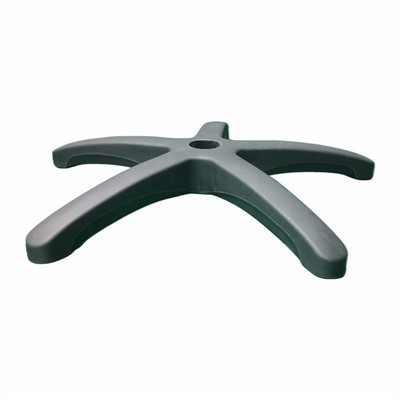
The base of an office chair typically consists of a central column and five or more casters. The central column connects the seat to the base and provides the primary support for the chair. The casters, or wheels, allow the chair to move freely across the floor. The number and size of the casters can affect the chair’s stability and maneuverability.
A larger base with more casters generally provides greater stability, as it distributes the weight of the chair and the user more evenly. However, a larger base may also be less maneuverable, especially in tight spaces. Conversely, a smaller base with fewer casters may be more maneuverable but may sacrifice some stability.
Tilt Range and Adjustability
The office chair base also plays a role in determining the tilt range and adjustability of the chair. The tilt range refers to the maximum angle at which the chair can recline, while the adjustability refers to the ability to customize the tilt function to suit the user’s preferences.
The design of the base can affect the tilt range by limiting the maximum angle at which the chair can recline. For example, a base with a shorter central column may limit the tilt range, as the chair cannot recline as far back without the casters losing contact with the floor. Conversely, a base with a longer central column may allow for a greater tilt range, as the chair can recline further back without tipping over.
In addition to the tilt range, the base can also affect the adjustability of the tilt function. Some office chairs feature a fixed tilt mechanism, which means that the tilt range and tension are preset and cannot be adjusted. Other chairs, however, feature an adjustable tilt mechanism, which allows the user to customize the tilt range and tension to suit their preferences.
The base of the chair can affect the adjustability of the tilt function by providing the necessary support and stability for the adjustable components. For example, a base with a strong and durable central column can support the weight of the chair and the user, even when the tilt mechanism is adjusted to its maximum range. Conversely, a base with a weak or flimsy central column may not be able to support the weight of the chair and the user, which can result in a wobbly or unstable chair.
Material and Durability
The material and durability of the office chair base also play a significant role in the chair’s tilt function. The base of an office chair is typically made of metal, plastic, or a combination of both. Each material has its own advantages and disadvantages, which can affect the chair’s performance and longevity.
Metal bases are generally the most durable and stable option, as they can withstand heavy use and provide excellent support. However, metal bases can also be more expensive and heavier than plastic bases, which can make them less maneuverable.
Plastic bases are typically less expensive and lighter than metal bases, which makes them more maneuverable. However, plastic bases may not be as durable as metal bases and may be more prone to cracking or breaking under heavy use.
In addition to the material, the durability of the base can also be affected by the quality of the manufacturing process. A well-made base will be constructed using high-quality materials and will be designed to withstand the rigors of daily use. Conversely, a poorly made base may be more prone to defects and may not last as long.
The Impact on User Comfort
The office chair base has a direct impact on the user’s comfort and overall experience. A well-designed base that provides stability, balance, and adjustability can enhance the tilt function of the chair, allowing the user to recline comfortably and move freely throughout the workday.
On the other hand, a poorly designed base that lacks stability, balance, or adjustability can make the tilt function of the chair uncomfortable or even dangerous. For example, a wobbly or unstable base can cause the chair to tip over, which can result in serious injury. Similarly, a base that does not provide enough support or adjustability can make it difficult for the user to recline comfortably, which can lead to fatigue and discomfort.
Conclusion
In conclusion, the office chair base plays a crucial role in the chair’s tilt function. A well-designed base that provides stability, balance, adjustability, and durability can enhance the tilt function of the chair, allowing the user to recline comfortably and move freely throughout the workday. As a supplier of office chair bases, we understand the importance of these factors and are committed to providing our customers with high-quality products that meet their needs and expectations.
Office Chair Base If you’re in the market for an office chair base that can enhance the tilt function of your chairs, we invite you to contact us to discuss your requirements. Our team of experts can help you choose the right base for your chairs and provide you with the information and support you need to make an informed decision. We look forward to working with you to create a comfortable and productive workspace.
References
- Berg, K. (2012). Office ergonomics: A guide to proper workplace setup. Human Kinetics.
- Grandjean, E. (2008). Fitting the task to the man: An ergonomic approach. Taylor & Francis.
- Kroemer, K. H. E., Kroemer, H. B., & Kroemer-Elbert, K. E. (2010). Engineering physiology: Bases of human factors/ergonomics. Psychology Press.
- NIOSH (2006). Workstation design for computer use: A human factors approach. U.S. Department of Health and Human Services.
Dongguan Weihong Furniture Co., Ltd.
As one of the most professional office chair base manufacturers and suppliers in China, we also support customized service. We warmly welcome you to buy high quality office chair base made in China here and get pricelist from our factory. For price consultation, contact us.
Address: No.145, Qingzhang Road, Changshantou Village, Qingxi Town, Dongguan City, Guangdong Province, China
E-mail: 1243042726@qq.com
WebSite: https://www.whfurni.com/
